
If it's good enough for Toyota
Updated: Nov 16, 2025
Oftentimes it takes three or more questions to fully understand an issue (aka, "problem", "pain") The reason makes sense. Oftentimes, during discovery, prospects respond with answers which are:
· Surface level
· Politically safe
· What they think you want to hear
· A symptom and not the root cause.
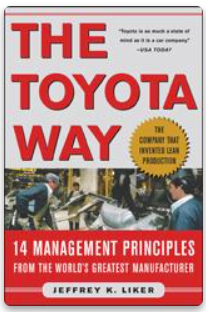
The Toyota Production System teaches the “5 Why’s” for root cause analysis, often abbreviated "RCA."
Here is an example:
“Why are you thinking about replacing this technology?”
“It is obsolete.”
“Is obsolescence the only reason?” (a continuation of “why are you replacing?” but using their words)
“We can’t get anybody to work on them.”
“When you say anybody, who do you mean?” (a continuation of “why are you replacing?” but using their words)
“Our technicians do all support and troubleshooting. We don’t have the current staff to support.”
“When you say current staff, you have some, but not enough?” (a continuation of “why are you replacing?” but using their words)
“Exactly. Our senior technicians, who work days, can support 95% of the issues, but night shift can’t. They don’t have the experience. We can have 6-12 hours of downtime before day technicians comes on shift.”
“Downtime, huh? Sounds like downtime is expensive and costing the site a lot of money, do you have a feel how much?”
- Or -
“It sounds like whatever solution you evaluate, you will want it to be easier to support, both by day and night technicians, by senior level and junior level. This means it must be easier to learn, more intuitive, or come with training. Does this sound about right?”
"Yeah, and the fact I'm tired of 2AM phone calls!"
If you are not asking 3 to 5 questions after each customer response, then you may be losing vital information and a chance to set you apart as the consultant.


Comments